
The idea in plain English
Plain idea
What changes
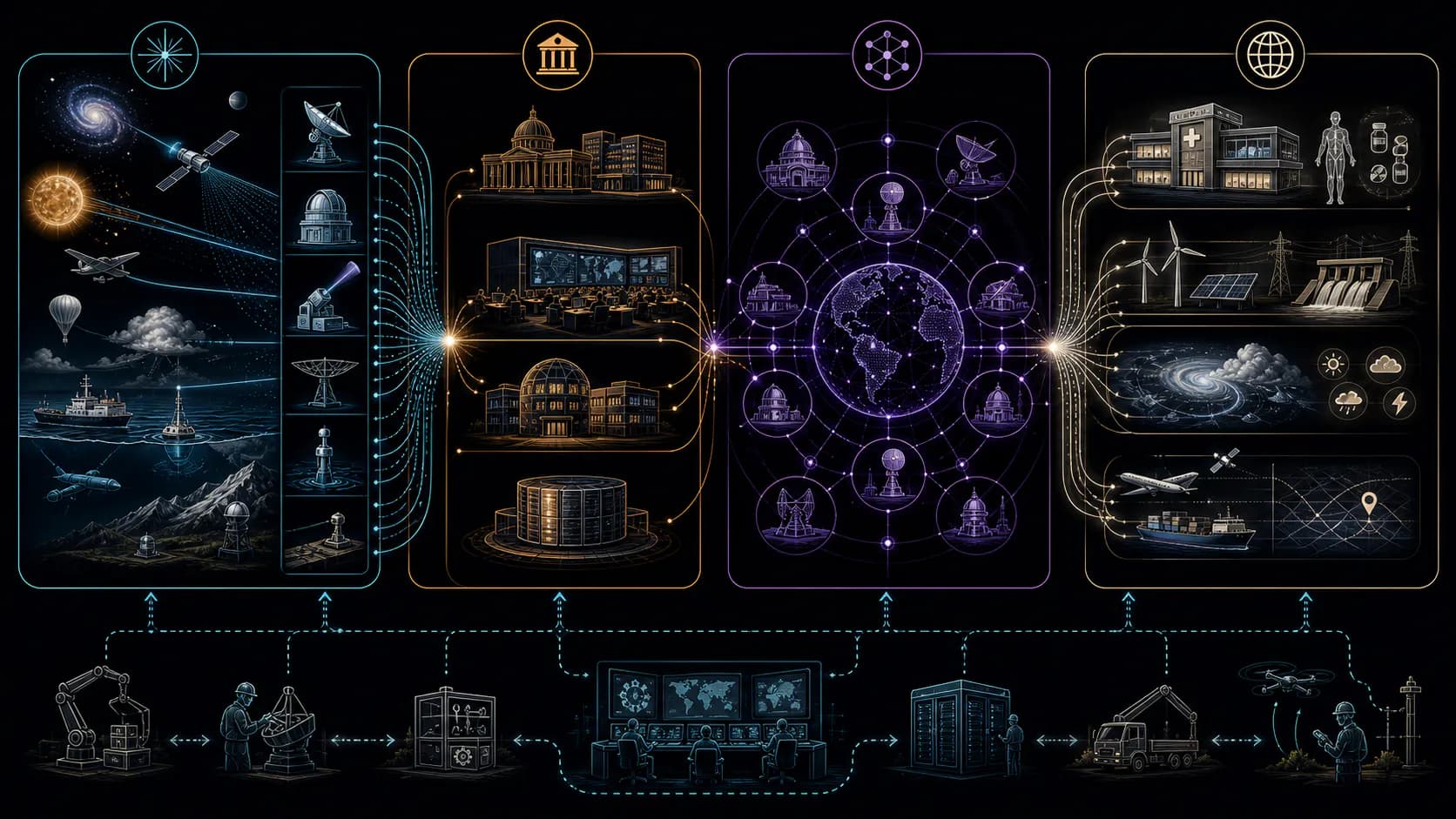
Science is infrastructure when knowledge depends on maintained instruments, trained communities, shared standards, records, funding, and trust—not only on isolated discoveries.
Mechanism
How it operates
Claims become dependable through measurement, criticism, replication, preserved methods, and institutions that let later researchers continue the work. Damage to any link can make true ideas unusable or false ideas difficult to expose.
Human stakes
Why it matters
A society can lose future capability without forgetting every fact. If instruments fail, expertise disperses, or evidence becomes untrustworthy, each generation must rebuild the conditions for knowing.
Used in: 13 catalog novels
Related: Scientific blockade · Machine consciousness · Cross-species communication
A few terms make the rest of the explanation easier to follow.
- Replication
- A new study that collects fresh evidence to test whether a scientific result recurs under comparable conditions.
- Reproducibility
- The ability to obtain consistent computational or analytic results using the same data, methods, code, and conditions.
- Calibration
- Comparison against a known standard so an instrument's measurements can be interpreted and trusted.
- Knowledge infrastructure
- The linked people, tools, standards, archives, institutions, and material supply chains that let inquiry continue.
Use the idea while reading
Turn the definition into three observations
Do not begin by asking whether a novel is “about” science as infrastructure. Begin with what changes in the lives of its characters, then use the concept to explain the mechanism underneath that change.
- 01
Notice which instruments, standards, and expert communities make a claim possible.
- 02
Notice how results are checked, challenged, and passed forward.
- 03
Notice who funds or controls the institutions that define reliable evidence.
Keep one question open: What must remain intact for knowledge to accumulate?
Avoid the shortcut: Treating science as infrastructure does not mean facts are merely opinions. It means reliable access to facts requires material and social systems that can test and preserve them.
How it works, step by step
- 1
Create an observable record
Instruments, field practices, surveys, or experiments translate part of the world into measurements with documented uncertainty.
- 2
Preserve methods and context
Data, code, materials, calibration, metadata, and procedural detail allow other researchers to understand how a result was produced.
- 3
Expose claims to independent scrutiny
Criticism, replication, peer review, and cumulative evidence reveal errors and establish which findings generalize beyond one laboratory.
- 4
Maintain people and institutions
Training, archives, funding, manufacturing, governance, and public trust keep the process operating long enough for knowledge to accumulate.
A concrete example
Textbooks survive but laboratories disappear
After a catastrophe, a society retains complete scientific books but loses calibration facilities, specialist communities, and precision manufacturing.
01
Readers know that advanced medicines and detectors once worked, yet cannot verify the purity, tolerances, or measurement standards required to reproduce them.
02
Individual facts remain true, but turning them into reliable practice requires rebuilding instruments, supply chains, training, and error-checking institutions.
03
Distributed archives help only if communities can compare results and preserve the material means of testing what the records claim.
The point
Scientific knowledge is more than stored statements. Durable capability depends on a maintained process that connects observation, documentation, criticism, skill, and material support.
What is real, and what remains uncertain
First separate what we can observe or build today from what remains a prediction or a fictional extension.
What evidence supports it
Historical and social framework
The institutional production of scientific knowledge is observable throughout history. Fiction extrapolates how those systems endure or fail under unusual pressure.
A common misunderstanding
Treating science as infrastructure does not mean facts are merely opinions. It means reliable access to facts requires material and social systems that can test and preserve them.
Try this example in your head
Every textbook survives a catastrophe, but calibration laboratories, specialist tools, supply chains, and expert communities disappear. How much of the recorded science can the next generation actually use?
Institutions can preserve bias
Shared standards and consensus improve continuity, but incentives, exclusion, secrecy, and prestige can also suppress criticism or narrow which questions receive resources.
One failed replication is not a verdict
Differences in samples, methods, uncertainty, and context mean reliability is often judged through cumulative evidence rather than a single binary repeat.
How science fiction tests the idea
Stories usually test both the promise of an idea and the trouble it creates.
Its promise
Reliable institutions are part of how facts become durable.
Its problem
Institutional consensus can also hide the assumptions it protects.
What to notice in a story
- 01
Which instruments, standards, and expert communities make a claim possible
- 02
How results are checked, challenged, and passed forward
- 03
Who funds or controls the institutions that define reliable evidence
Novels that use this idea
Civilization scale
Dark · Demanding
A Canticle for Leibowitz
An order of monks preserves blueprints and shopping lists through a post-nuclear dark age, only to watch recovered knowledge rebuild the power to destroy civilization again.
Societal scale
Cautious · Layered
A Memory Called Empire
Imago medicine and the City's artificial intelligence depend on guarded institutions, maintenance, specialist knowledge, and political access that determine whose technology can function openly.
Civilization scale
Hopeful · Demanding
Anathem
A young scholar raised behind monastery walls follows his exiled teacher into a planetary crisis where rival intellectual traditions must decide whether an alien ship is a visitor, a mirror, or a weapon.
Cosmic scale
Hopeful · Layered
Contact
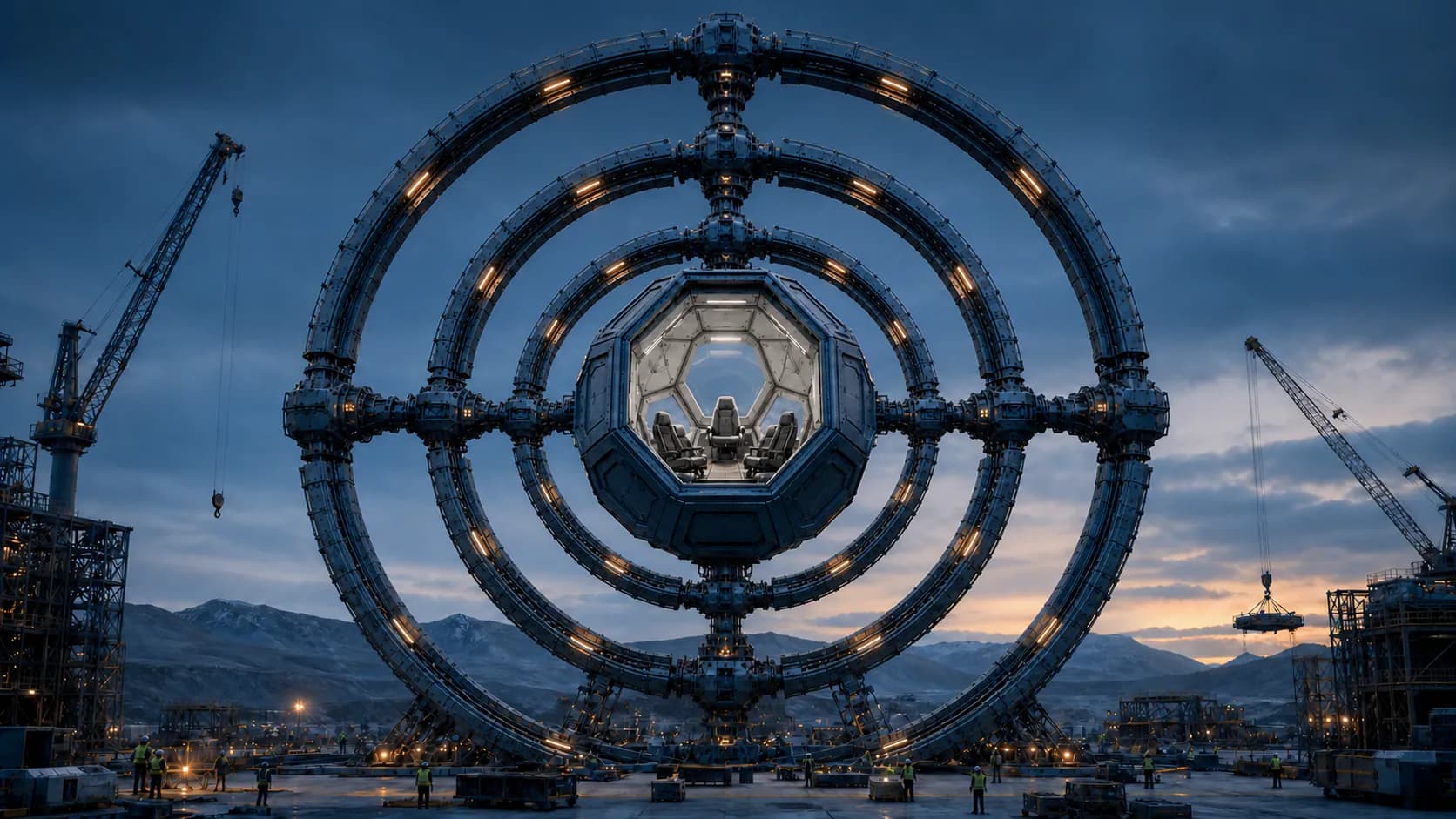
No isolated genius can preserve or interpret the signal alone; telescopes, redundancy, open comparison, institutions, funding, and international trust become part of the discovery itself.
Visual example · Human industry assembles an unknown invitation
Civilization scale
Balanced · Layered
Foundation
A mathematician predicts imperial collapse, exiles a knowledge project to the galaxy's edge, and leaves later leaders to discover how science can become political leverage.
Civilization scale
Hopeful · Layered
Project Hail Mary
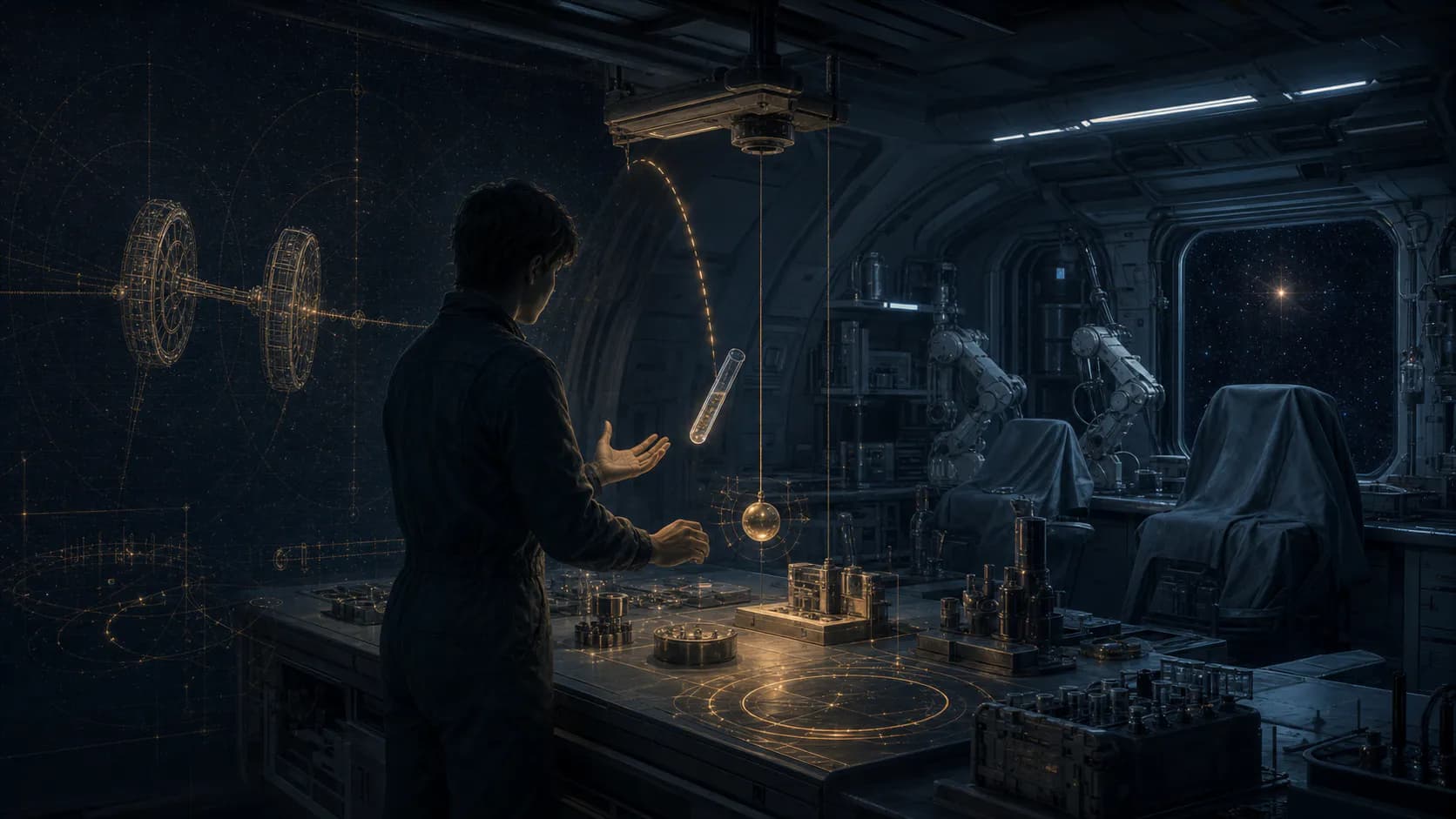
The rescue effort depends on instruments and experiments, but also on a global chain of specialists willing to share methods under pressure.
Visual example · Before memory, a measurable world
Civilization scale
Hopeful · Demanding
The Arrows of Time
Once answers can be requested from the future, the institutions that once produced knowledge risk becoming passive consumers of authority instead of engines of criticism and invention.
Civilization scale
Hopeful · Demanding
The Clockwork Rocket
The mission depends less on preserving Yalda's answers than on preserving teaching, instruments, criticism, and the capacity of descendants to discover better answers.

Societal scale
Balanced · Demanding
The Dispossessed
Shevek's theory depends on teachers, correspondence, publishing, time, equipment, and trust, making intellectual freedom a property of institutions rather than solitary genius alone.
Visual example · A free idea still needs institutional passage
Societal scale
Balanced · Demanding
The Eternal Flame
Progress emerges from linked instruments, teachers, students, risky tests, criticism, and political permission rather than one isolated genius.
Human scale
Hopeful · Accessible
The Martian
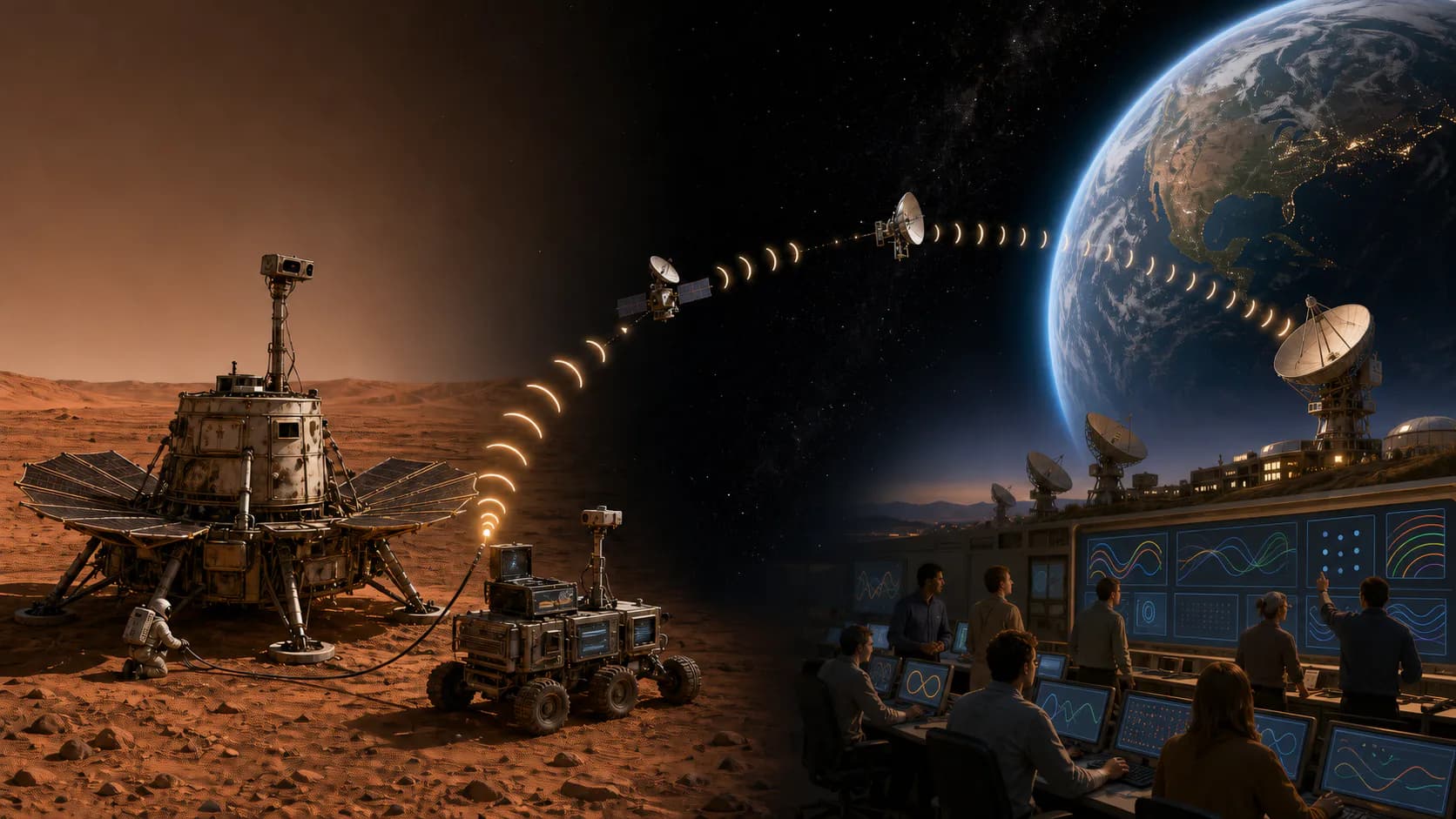
Survival depends on accumulated tools, procedures, observations, supply chains, and expert communities even when Mark performs the immediate work alone.
Visual example · Old infrastructure closes the human distance
Societal scale
Cautious · Layered
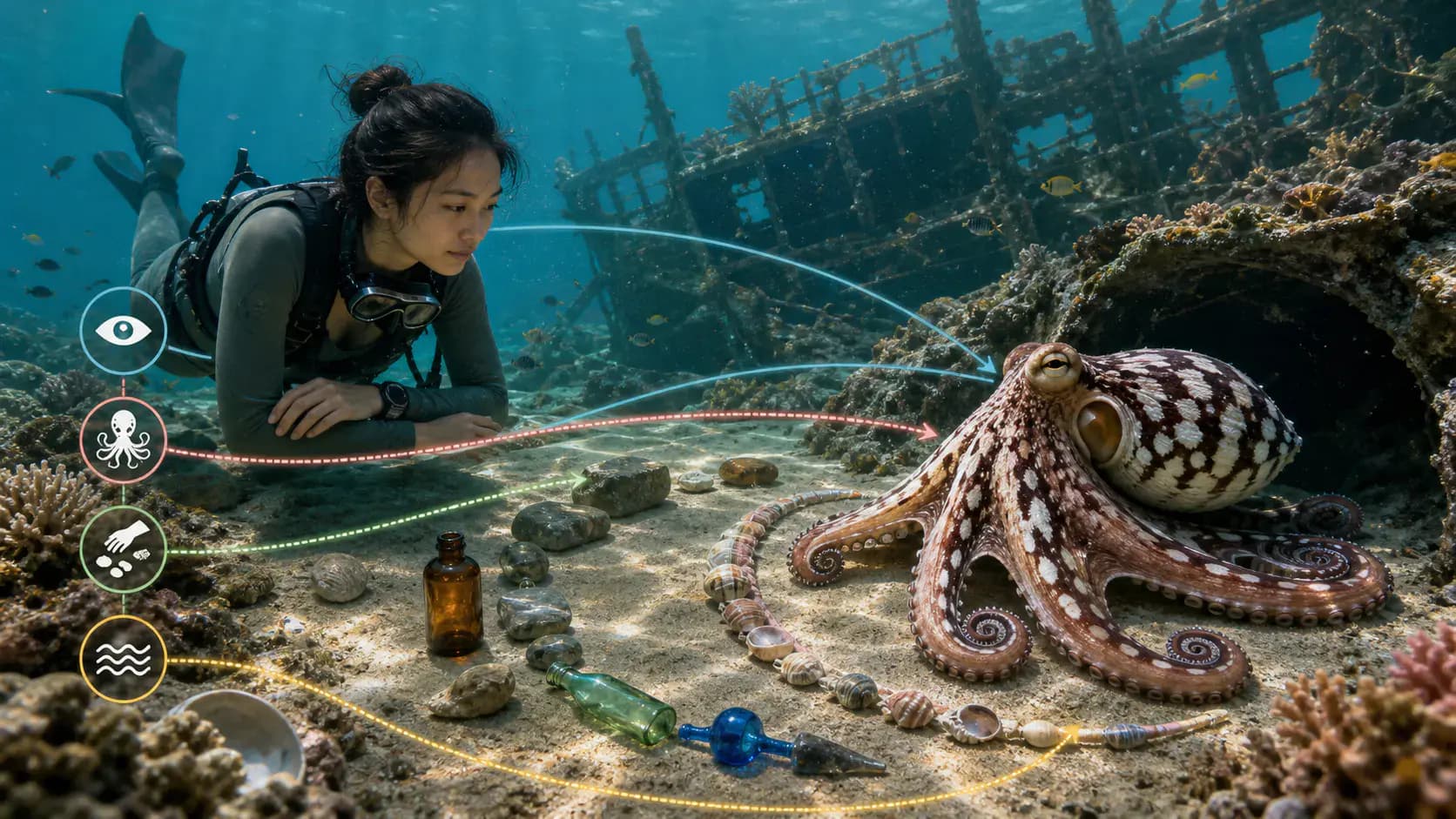
The Mountain in the Sea
Submersibles, cameras, corporate ownership, security perimeters, publication, and publicity determine which observations can be made and who can act on the result.
Visual example · The language is larger than either body
Civilization scale
Dark · Demanding
The Three-Body Problem
Experimental reliability and institutional confidence become infrastructure that an opponent can deliberately attack.
Questions to keep thinking about
What must remain intact for knowledge to accumulate?
When does trust in expertise support inquiry, and when does it shelter authority?
Can distributed communities preserve science when central institutions fail?
Sources and further reading
These references ground the portable lesson; story interpretations remain editorial analysis.